0
D0
H0
M0
S
0
D0
H0
M0
S
0
D0
H0
M0
S0
D0
H0
M0
S
The last two years have felt like a roller coaster for luxury real estate: stock-market dips, tariff headlines, AI-driven disruption, and election-year nerves all jostled investor confidence.
But the top end of the housing market continues to prove its staying power.
Here at J. P. King, we’ve combed through the latest data to bring you an overview of the market for 2025. Overall what we see in the luxury real estate market is investment volumes stabilizing and private buyers stepping in … especially in certain regions and property types (like scarce coastal property). Let’s take a closer look.
Bottom line: while activity is uneven, the broader trend line for luxury property remains upward—and liquid capital is positioned to pounce when the right assets hit the market.
Many of us know by now that tariffs are raising costs.
The National Association of Home Builders estimates that recent duties on lumber and steel have added roughly $10,900 to the cost of building a new U.S. home—one reason many affluent buyers now prefer turnkey resales over speculative ground-up builds.
Rising construction costs matter, but they also strengthen the resale market and, by extension, the power of well-timed auctions. When replacement values climb, existing luxury homes—especially fully finished coastal estates—gain relative appeal.
Luxury sales in financial hubs such as New York City and Greenwich have slowed as buyers wait for clearer signals on equities and interest rates. Meanwhile, lifestyle-centric enclaves—from the Hamptons to Palm Beach—are thriving.
What explains the divide? Mobility and scarcity. Buyers who can work from anywhere are targeting properties with year-round outdoor living, strong rental prospects, and—crucially—waterfront views.
Speaking of scarcity, supply on America’s coveted shorelines is permanently constrained, yet demand is rising.
Some reports predict beachfront real estate will see a compound annual growth rate (CAGR) of 7.5% per year this decade. Coastal clusters not only outperformed over the past decade but did so while weathering currency swings, stock volatility, and multiple interest-rate cycles.
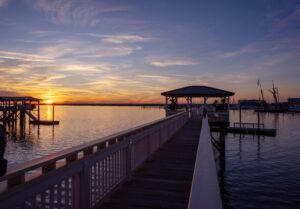
Our recently listed Mansion on St. Simons Island is a textbook example: a sprawling estate with sunrise-to-sunset views nestled within the coastal elegance of Yacht Club Lane—all packaged for immediate enjoyment. In a world where new-build costs keep rising and approval timelines drag on, scarce turnkey waterfront estates like St. Simons Island offer both lifestyle and inflation hedges.
Ultra-luxury homes now average 319 days on market—about 400% longer than the median U.S. property.
That lag is expensive: utilities, insurance, staff, and opportunity cost can quietly erode seven figures of net worth.
Worse, listings that stall beyond six months typically sell for nearly 20% below their initial ask, versus a 7% discount for homes that transact inside 180 days. Time really is money at the top end.
This is where auctions can really shine. A well executed auction can help luxury properties move in just 60 days that would otherwise can take years. How? By aggregating qualified bidders worldwide onto a single deadline, auctions convert buyer curiosity into competitive tension.
Equally important is transparency. In traditional brokerage sales, “best guess” pricing can drift into aspirational territory, leaving sellers exposed to the slow-price-slide effect. An auction, by contrast, reveals what the market will pay today—and that clarity is invaluable when interest-rate paths and tariff policies change every news cycle.
In fragmented, volatile conditions, the luxury real estate market is recalibrating … but still performing well. Whether you’re looking to buy a waterfront retreat like our St. Simons Island Mansion or sell your luxury property at auction, J. P. King can help you reveal real-time value and close with certainty. Ready to put a deadline on your success? Contact us today to discuss whether an auction is right for your property.